Home/HighLevel/Industries/Churches and Nonprofits
Industries · Churches and Nonprofits
GoHighLevel for churches and nonprofits. Welcome every visitor, keep every volunteer.
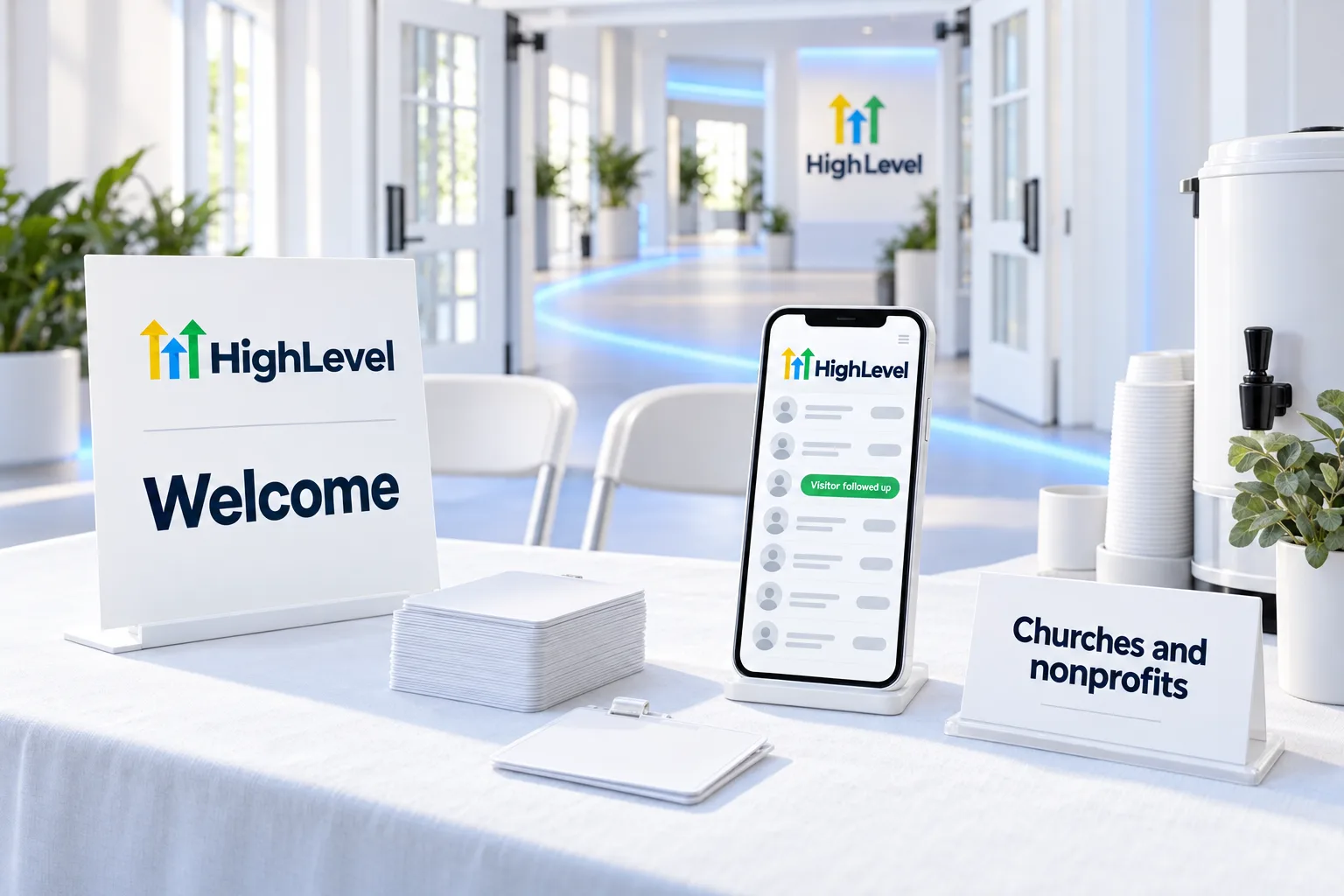
Churches and nonprofits run on relationships and volunteers. GoHighLevel for churches and nonprofits follows up with visitors, organizes volunteers, reminds people about events and accepts online giving.
The short answer
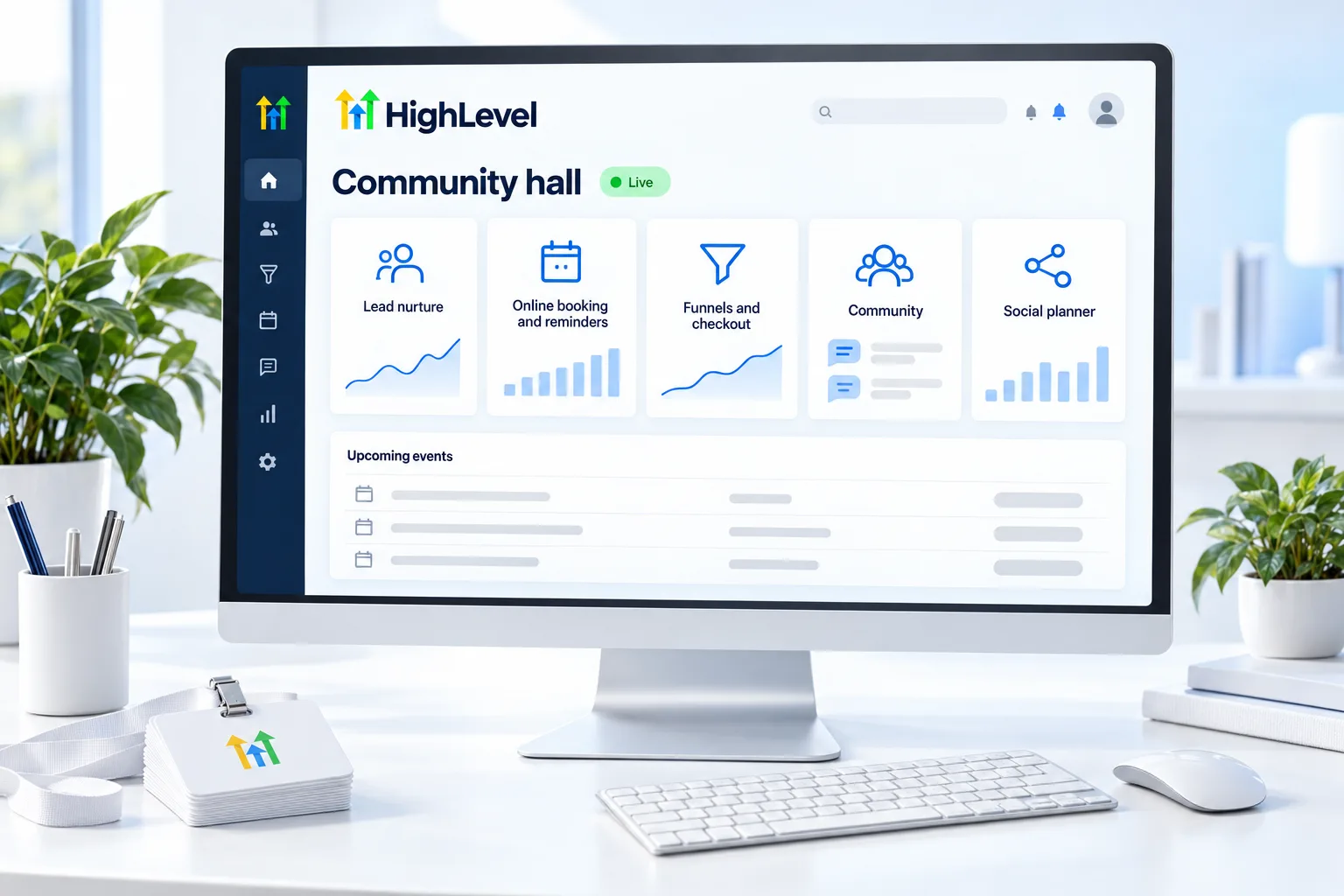
HighLevel, also called GoHighLevel, helps churches and nonprofits welcome visitors, organize volunteers and accept online giving. The systems that usually fit first are lead nurture, online booking and reminders, funnels and checkout, plus community and social planner. Plans start at $97 a month plus usage.
Michael is a sponsored HighLevel affiliate. Links to HighLevel use his partner link at no extra cost to you. HighLevel prices and product facts on this page come from HighLevel's own pricing page and help center, checked on the date above.
The leak
Where churches and nonprofits lose business.
People find a church or nonprofit through a friend's invitation, a Google search, social media, community events and the website. The first contact is usually a visitor card, an event sign up or a volunteer form, and what happens in the next day decides whether they come back.
- Visitors never followed up
- Volunteers coordinated by hand
- Event reminders forgotten
- Giving only in person
- Communication spread across tools
Systems
Systems that fit.
Lead nurture
Follows up by text and email until the lead replies.
How to set it upOnline booking and reminders
Customers book themselves; reminders cut no shows.
How to set it upFunnels and checkout
Pages that capture and convert.
How to set it upCommunity
A place for members to connect.
How to set it upSocial planner
Schedule posts across channels.
How to set it upWebsite chat with AI
Answers website visitors around the clock.
How to set it upHere is how each of the six works day to day for churches and nonprofits.
Lead nurture. A workflow alternates texts and emails over about two weeks and stops the moment the lead replies or books. Longer follow up is the same idea with longer waits.
Online booking and reminders. Members book from a calendar link and get a confirmation right away, then a reminder a day before and another an hour before. A no show gets a link to rebook. If messages stop, start with fixing appointment reminders that are not sending.
Funnels and checkout. A funnel is a short series of pages with one goal: capture a lead, book a call or take a payment through an order form. A workflow follows up on every form or order.
Community. A group with channels where members talk to you and to each other. It can be free or paid, and it sits on your own domain, next to any courses you offer.
Social planner. Schedule posts to Facebook, Instagram, Google Business Profile and other channels from one calendar. You can load a month at once from a spreadsheet.
Website chat with AI. A chat widget on your site collects the visitor's details and the conversation lands in one inbox. Conversation AI can answer and book when nobody is at a desk.
First 30 days
A simple rollout.
- Week 1: connect your phone number, Google Business Profile and calendar; start A2P registration.
- Week 1: turn on lead nurture.
- Week 2: add online booking and reminders and funnels and checkout.
- Week 3: import past customers and launch community.
- Week 4: review the dashboard and fix what is not working.
What to set up first. Start with lead nurture. Go to Automation and click Create Workflow. Trigger it on Form Submitted or on a lead tag. Alternate Send Email and Send SMS actions with Wait steps over about two weeks, and add a goal so the sequence stops the moment the lead replies or books.
Start A2P 10DLC registration on day one. Texting US numbers from a local number depends on it, and it goes through carrier review. While you wait, import your contacts as a CSV with consent details mapped. The first 30 days guide walks through the order.
Compliance
Know the rules.
Day to day
What does a typical week look like for churches and nonprofits?
Once the systems are live, most of the week runs without anyone opening a settings page. This is roughly how it goes.
Monday. Everyone who filled in a visitor form over the weekend got a personal welcome message and joined a short follow up sequence.
Midweek. Volunteers booked their slots from a calendar link and have reminders queued.
Thursday. Event reminders go to people who signed up. Next week's posts are scheduled.
Friday. The community has the week's updates in one place, and the giving page is linked in every message that needs it.
Worked example
How does it work in practice?
Picture a church with one administrator. A family visits on Sunday and fills in the connect form on a phone. A welcome text goes out that afternoon, and an email follows with service times and a link to the next newcomer event. The family signs up, gets a reminder and is added to the right group in the community. The administrator did not send a single message by hand.
Fit
When does HighLevel fit churches and nonprofits, and when does it not?
HighLevel fits a church or nonprofit with a small staff and many relationships to keep warm.
It is not donor accounting or church management software. Pledges, tax receipts and member records may need the system built for them. Use HighLevel for communication, sign ups and follow up.
Budget for usage on top of the plan. Phone numbers, texts, calls, email and AI are billed separately through a wallet. The usage fees page lists every rate.
Three mistakes to avoid:
Messaging people who never opted in. Collect consent on every form.
Follow up that sounds automated. Write it the way the pastor or director would say it.
Too many tools for volunteers. Keep sign ups in one calendar.
Comparing tools before you commit? Read the best CRM for nonprofits.

A personal welcome text within a day of a first visit changes how people feel about coming back.
Through my link
Start HighLevel through my link and the CRM Pros team comes with it.
Same HighLevel price. The difference is who is in your corner for the first ninety days.
- Setup help in your first 7 days
- Your onboarding call with Michael’s team
- Three live calls every week: tech, sales and Michael’s own call
- The private affiliate community
- Snapshots, templates and email swipes
- Four apps: Prompt, Demo, A2P and Sales On Demand
The Founder Plan is HighLevel’s top plan at $497 a month. It is the former Agency Pro plan with an exclusive feature set, rebilling with markup and the Founders Club. The full breakdown is here.
The Founder PlanWhat it includes and who it is for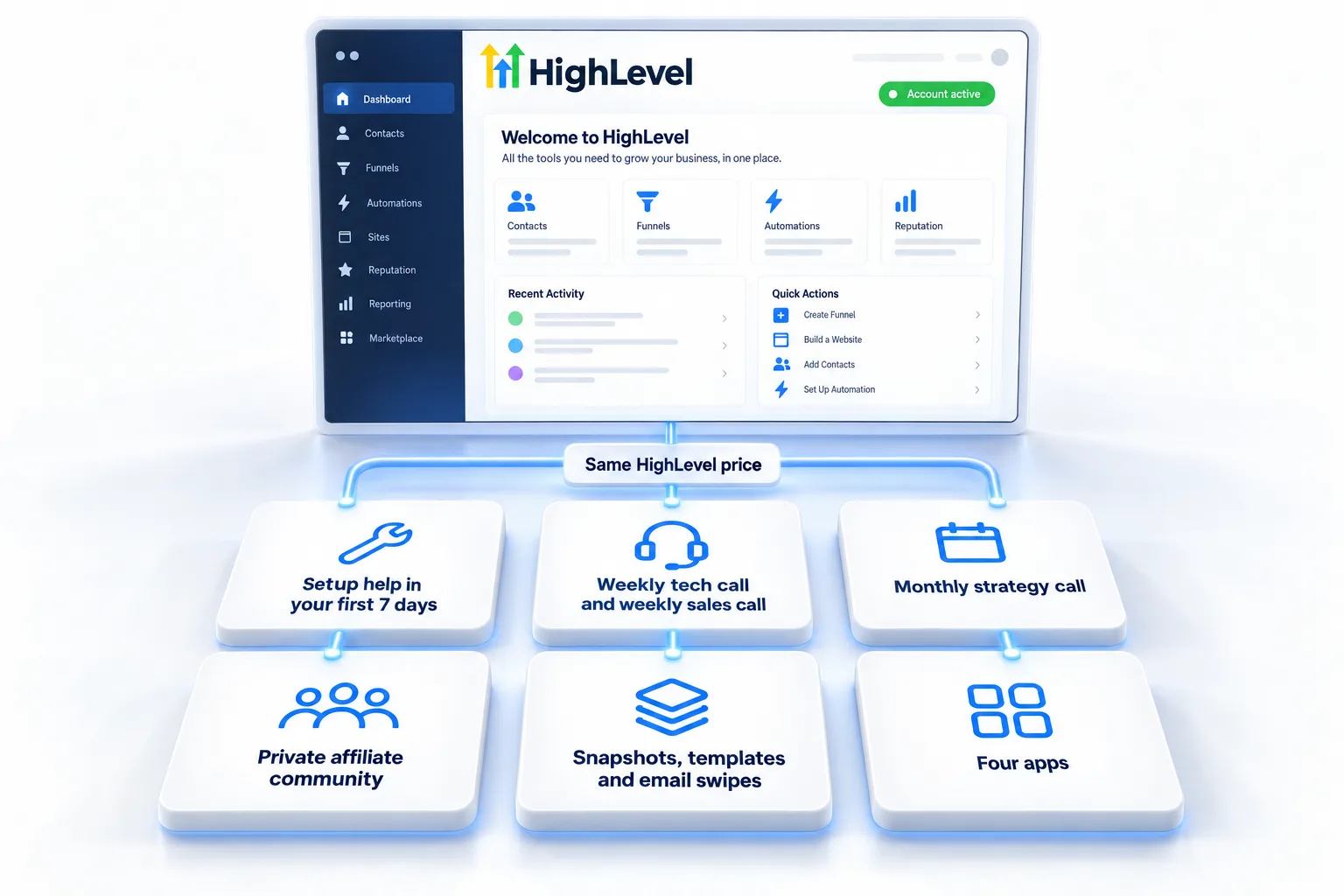
Questions
Common questions.
Is HighLevel good for churches and nonprofits?
Yes, especially for visitor follow up and volunteer coordination. HighLevel welcomes visitors, organizes volunteers, reminds people about events and accepts online giving. It is not donor accounting or church management software, so pledges, tax receipts and member records may need the system built for them. See the full GoHighLevel review.
What should churches and nonprofits set up first?
Start with lead nurture, which here means visitor follow up, then online booking and reminders. In week one, connect your phone number, Google Business Profile and calendar and start A2P registration. Add funnels and checkout in week two and the community in week three.
How much does HighLevel cost?
Starter is $97 a month, Unlimited $297 and the Founder Plan $497, plus usage such as calls and texts. A single organization usually fits Starter. Phone numbers, texts, calls, email and AI are billed on usage on top of the plan, so budget for both. The GoHighLevel pricing page has the full breakdown.
Can I get help setting it up?
Yes. Signing up through Michael's link includes setup help in your first 7 days with the CRM Pros team, at the same HighLevel price. You also get an onboarding call, then three live calls every week. Start with the 30 day GoHighLevel trial and book your onboarding call once you are in.
Can HighLevel follow up with church visitors?
Yes. A workflow triggered by the visitor form sends a welcome message and a short follow up sequence that stops when the person replies. An email can follow with service times and a link to the next newcomer event. Text and email only people who opted in.
Can a nonprofit accept online donations with HighLevel?
A funnel page with an order form can take payments once a payment provider is connected. Check the donation receipt rules that apply to your organization, because HighLevel is not donor accounting software. If budget is the question, read whether GoHighLevel is worth it.
Is there a free trial of HighLevel for churches and nonprofits?
Yes. HighLevel's standard free trial is 14 days. Through Michael's link the trial is 30 days, which gives you time to build the first system and test it with real customers. Usage fees for phone, SMS, email and AI can apply during the trial.
Which HighLevel plan do churches and nonprofits need?
A single organization usually fits the Starter plan at $97 a month, which includes unlimited contacts and unlimited users. Calls, texts, email and AI are billed on usage on top of the plan. The GoHighLevel pricing page lists what each plan includes.
Next step
See it in your own account. Thirty days, every feature.
Start a trial, build the first system and test it before the first invoice. Usage fees for phone, SMS, email and AI can apply during the trial.
HighLevel has three plans at a flat monthly price, each with unlimited users and contacts. See what each one includes and what it costs.
Compare the PlansStarter, Unlimited and Founder