
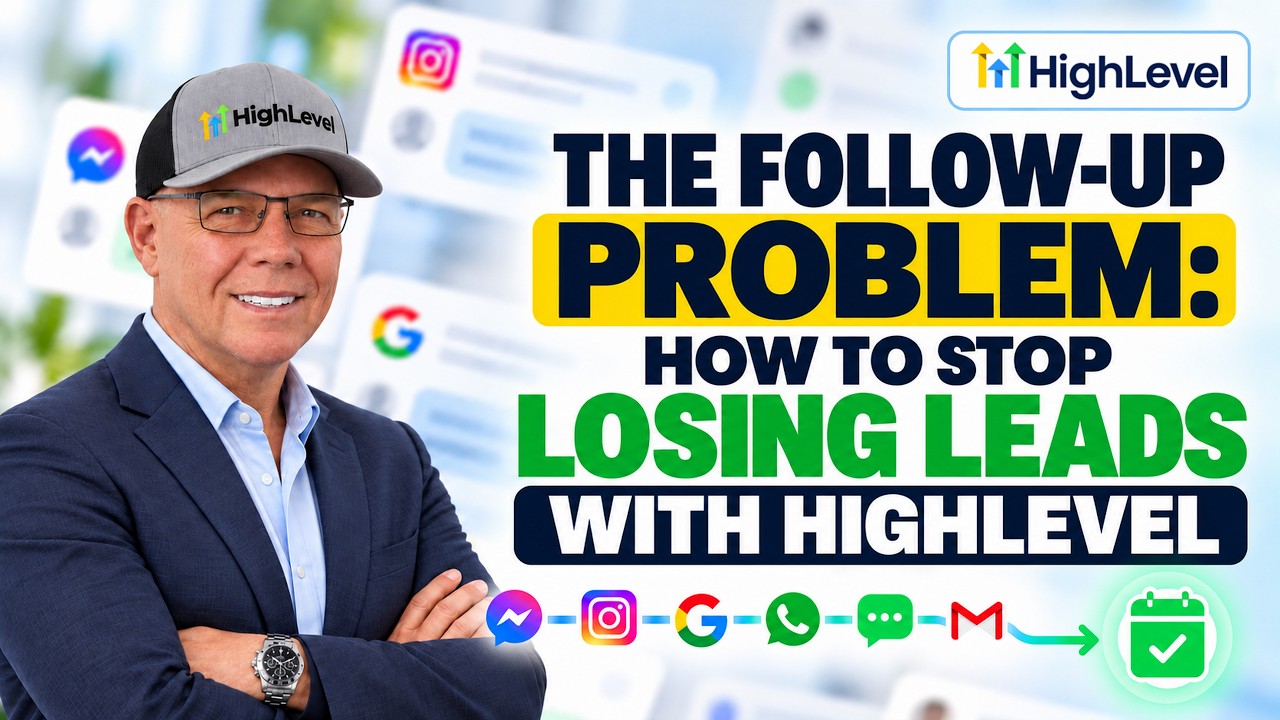
In this video Michael Reimer argues that most small businesses have a follow up problem, not a lead problem. He names three leaks: slow replies, giving up too soon and forgotten old leads. Then he shows the simple HighLevel setup he uses to close them: one inbox, an instant reply and a short follow up sequence.
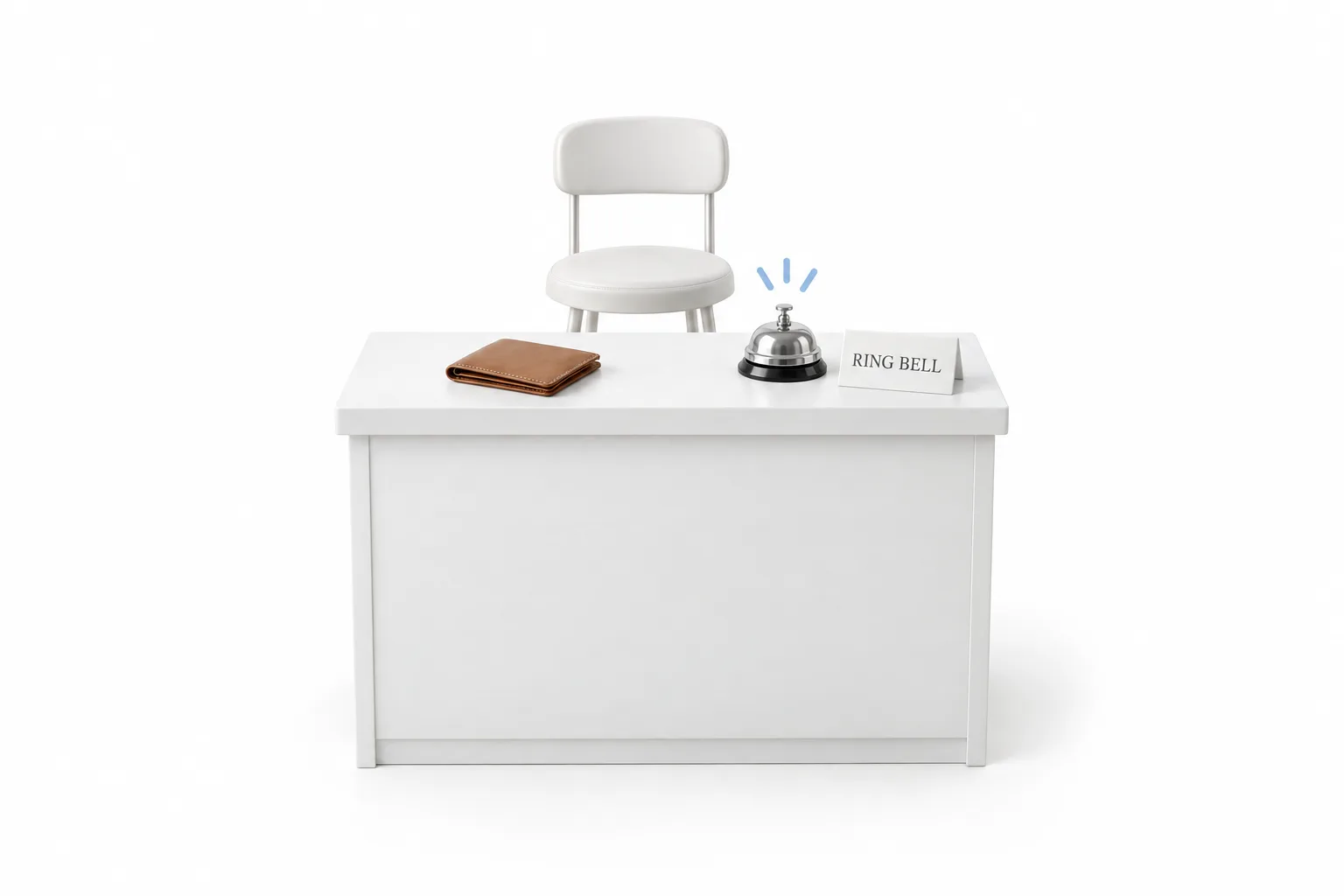
He opens with a store. You walk in with your wallet out and ring the little bell on the counter. Nobody comes. You ring it again. Nothing. So you walk next door, and they help you in 30 seconds. Michael says that is what happens to most small businesses online every day. Someone fills out the form, calls or sends a Facebook message. They are standing at the counter ringing the bell.
How does Michael test a business's follow up?
When he sits down with an owner, he does not start with their ads or their website. He fills out their contact form himself, as a customer would, and starts a timer. Then he waits.
Most of the time nobody gets back to him. Not in five minutes and not in an hour. Sometimes not at all. Then the same owner tells him the business needs more leads. His reply is the thesis of the video: you do not have a lead problem, you have a follow up problem, and it costs more than you think. He builds a whole video around the same kind of test in call your own business.
Why does the first business to answer usually get the job?
The first leak is speed. When somebody needs a plumber, a dentist or a roofer, they do not contact one business. Michael says they contact three, and whoever answers first usually gets the job. In his words, it is not the best business that wins. It is the first one that answers.
He makes it ordinary. A lead comes in at 7:00 at night while you are at dinner with your family, where you should be. You see it the next morning and plan to call after lunch. Lunch turns into Thursday. By Thursday they have booked with the business that texted back in two minutes. Nobody did anything wrong. You were busy running the business. The lead is still gone.
What happens to leads that do not answer the first message?
The second leak is bigger, and it is the follow up itself. Most people reach out once, maybe twice, and then quit. But customers have lives. They see your text at a red light, mean to answer and forget. Michael reads that as a not right now, not a no. If you go quiet, you hand them to whoever did not.
The third leak is the one he says nobody talks about: old leads. The person who asked for a quote three months ago. The customer who came in once and never came back. They are sitting in your phone, and nobody is ever going to call them again. He does not call that dead money. He calls it money you already paid for and forgot about. His video on database reactivation and the stoplight method is about that group.
To make it click he runs an example. Say a business gets 40 leads a month and closes five. Now it answers in minutes, follows up a few more times and checks in on the ones who went quiet. Even a few more customers a month come from leads the business already had, with no extra spend on marketing.
What does the follow up system do?
Michael raises the objection himself. You do not have time to sit on your phone all day, and you do not want to be the business that blows people up with messages. He agrees. That is why the system cannot depend on you remembering. It has to run on its own.
It starts with getting every lead into one place. Calls, texts, emails, Facebook, Instagram and website chat all land in one inbox, with nothing living on a sticky note.
Then comes an instant reply. The second someone reaches out, they hear back, even at 7:00 at night. His sample is one line: thanks for reaching out, I got your message and I will give you a call first thing in the morning. He says that one text keeps you in the game.
After that, a short and friendly follow up. A text the next day, an email a couple of days later and a quick check in after a week. The moment the lead replies, it stops. And once a month you look at everyone who went quiet and send one honest message. He says you will be surprised how many people answer.
He sums it up as what a great front desk person would do if they never slept and never forgot anybody. In his own business and with the businesses he works with, this runs in HighLevel, which is also called GoHighLevel. Every conversation lands in one inbox, a missed call sends a text back automatically and a simple workflow handles the follow up. The guides on building a lead nurture workflow and setting up missed call text back cover those two builds.

How do you set up the follow up in your own business?
Michael says the first part can be done today, and you do not have to build it all on day one.
- Test yourself. Fill out your own contact form and time how long it takes to hear back.
- Use one inbox. Bring calls, texts, emails, Facebook, Instagram and website chat into one place.
- Reply instantly. Turn on an instant reply so every new lead hears back right away, even after hours.
- Add a short follow up. Send a text the next day, an email a couple of days later and a check in after a week.
- Stop on reply. Set the follow up to end as soon as the lead answers.
- Check the quiet ones. Once a month, send one honest message to leads who went silent.
- Take memory out of it. Turn on a missed call text back and use a workflow so the follow up does not depend on you.
What changes once follow up runs on its own?
The 7:00 lead hears back at 7:00. You can stay at dinner, because the reply went out without you.
The follow up stops depending on memory. The text, the email and the check in go out on schedule and end the moment someone answers. Michael's framing is that you are not being pushy. You are the business that got back to them.
And you look at leads differently. His closing instruction is to check the leads you already have before you spend another dollar on getting more. Fill out your own form tonight and time it. If it takes more than a few minutes to hear back, he says, you know where your growth is hiding. He suggests starting with the instant reply, adding one follow up and going from there. The page on AI follow up in HighLevel covers the AI side of it.
The same idea applies after an event: see how to run a live event follow up. To see HighLevel in your own account, start with the 30 day GoHighLevel trial through Michael's link. Agencies that want the top plan can read about the Founder Plan.