
Home/HighLevel/Agency/Cold outreach
GoHighLevel agency · Outreach
Cold outreach for agencies. Personal, compliant, consistent.
Cold outreach still works when it is personal and respectful. It stops working, and can get you in trouble, when it is mass blasted. The rules are different for email, calls and texts, so pick your channel carefully.
The short answer
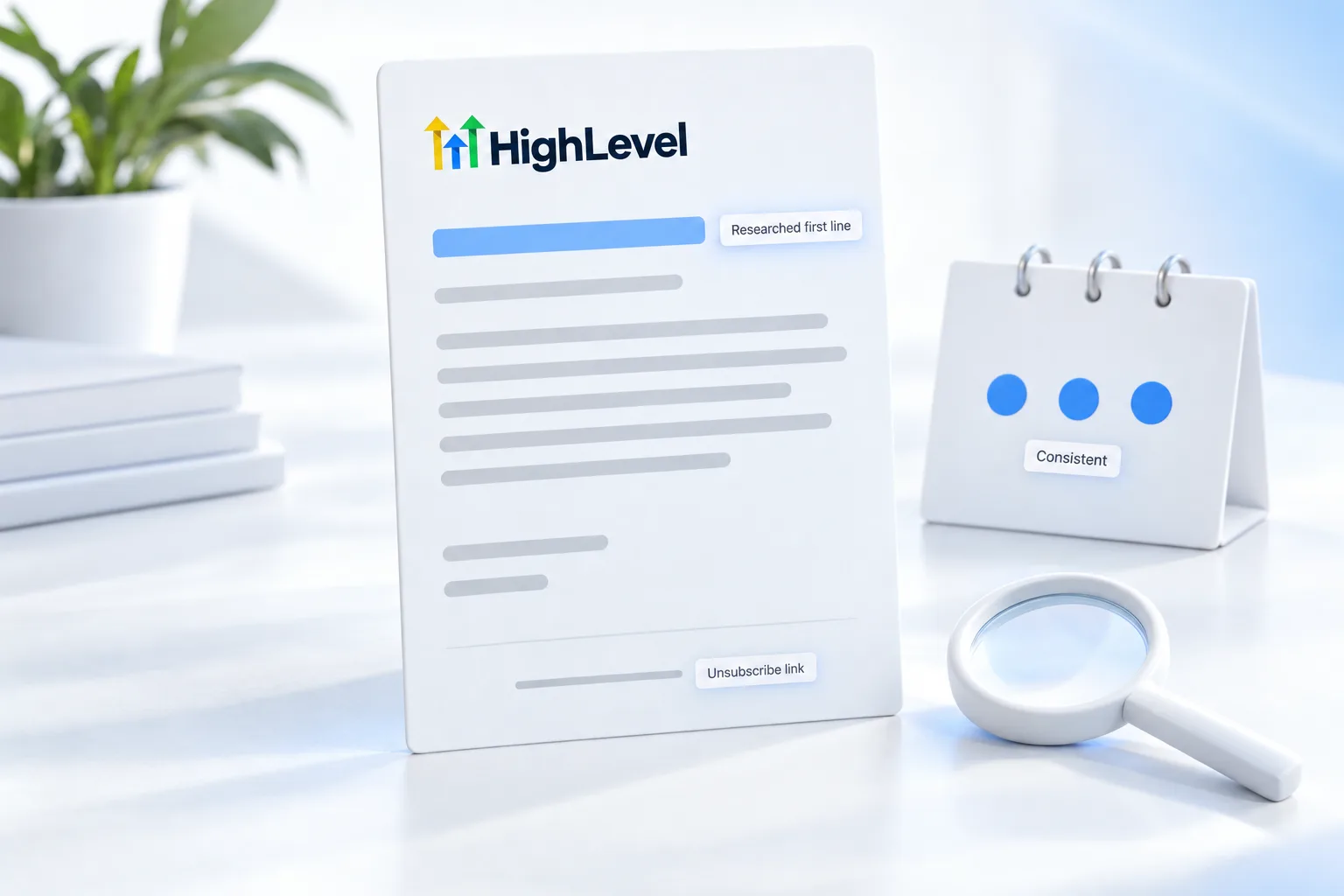
Do agency cold outreach by researching each business, writing a short personal message that names a real problem, using email or LinkedIn rather than unsolicited texts or calls, including a clear opt out and following up two or three times. In the US, cold texts and automated calls need prior consent under the TCPA.
Michael is a sponsored HighLevel affiliate. Links to HighLevel use his partner link at no extra cost to you. HighLevel prices and product facts on this page come from HighLevel's own pricing page and help center, checked on the date above.
Process
What does a daily outreach process look like?
- Pick ten businesses in your niche.
- Find one specific thing about each: a missed call, slow reply or few reviews.
- Write a three sentence message naming it.
- Send from a warmed up domain, never a brand new one.
- Follow up two or three times, then stop.
Channels
Which channels can you use for cold outreach?
| Channel | Cold use |
|---|---|
| Allowed with honest headers, your address and an opt out | |
| Personal connection requests and messages | |
| Phone calls | Manual calls with care; check local rules |
| Texts | Do not text without prior consent |
| Automated calls | Do not use without prior consent |
Example
What does a message that gets replies look like?
"Hi Maria, I called Bright Dental at 6pm yesterday and it went to voicemail. I build systems that text back missed callers in seconds. Worth a ten minute look? If not, just say so and I will not follow up."
Research
How do you research a business before you write?
The first line of a cold message decides whether the rest gets read, and you cannot write a good first line without looking at the business. Five minutes per prospect is enough if you know what to look for.
- Call the main number outside business hours. Does it ring out, go to voicemail or get answered?
- Submit the contact form on their website and note how long a reply takes.
- Read their recent Google reviews. Are there unanswered ones, or complaints about nobody calling back?
- Check whether they offer online booking.
- Look at when their Google Business Profile was last updated.
Each of these gives you one true, specific observation. That observation is your opening. It also tells you whether to write at all. If the business answers every call and replies in two minutes, your missed call system is not what they need, and you have saved both of you an email.
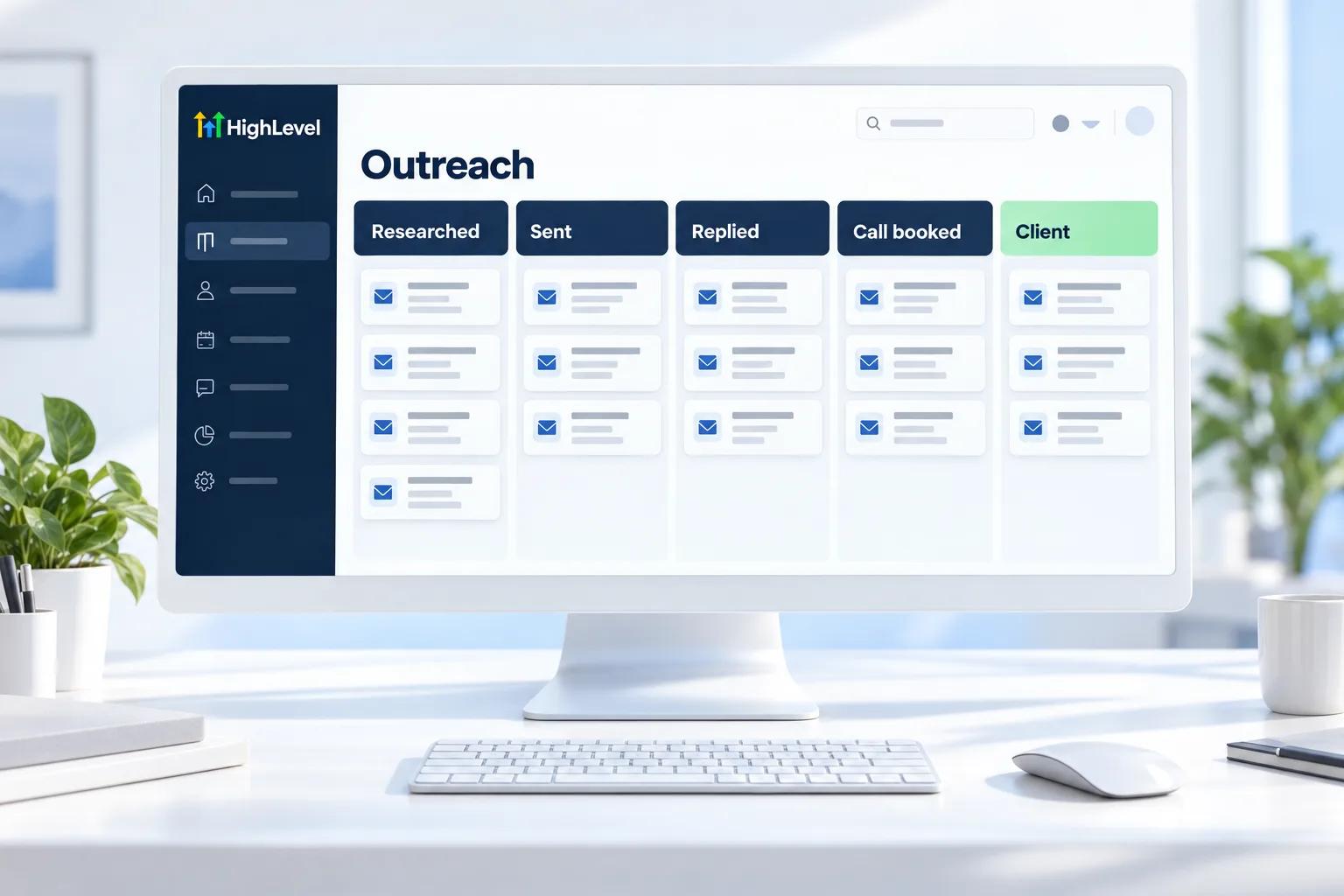
Keep a note of what you found against each business. In GoHighLevel, a simple outreach pipeline with stages for researched, sent, replied and call booked does the job, with the observation saved on the contact.
Deliverability
How do you set up email so it reaches the inbox?
Personal outreach in small numbers is the best protection for your sender reputation, but the technical setup still matters. Three things to get right before the first send.
- Send from a domain you control, with SPF, DKIM and DMARC records in place. The steps are on set up email authentication.
- Warm the domain up gradually instead of sending a full day's volume on day one. See warm up a sending domain.
- Keep volume low and steady. Ten researched messages a day builds a better reputation than a burst of hundreds.
Then follow the basics of commercial email law. In the US, CAN SPAM requires honest sender and subject lines, a physical mailing address and a working way to opt out that you honor promptly. Other countries have stricter rules, and some require consent before any marketing email, so check where your prospects are. If messages start landing in spam, the email deliverability guide walks through the usual causes.
Follow up
How do you follow up without becoming a nuisance?
Plan for two or three follow ups, because a busy owner often misses the first message. Each one should add something, not just ask whether they saw the last one.
| Message | What it says |
|---|---|
| First | The specific thing you noticed, what you build, and a small ask |
| Second, a few days later | One more observation or a short example of the system working |
| Third, about a week later | A polite close: you will not write again, and the door is open |
Then stop. A prospect who has not replied to three messages has answered. Mark them closed in your pipeline and move on. If anyone asks you to stop at any point, stop immediately and record it so nobody on your team contacts them again.
Track three numbers each week: messages sent, replies, and calls booked. If you are sending and getting no replies, the first line is the problem. If you get replies but no calls, the ask is too big. Cold outreach is one channel among several, and the first five clients page explains why referrals usually come first. When someone does say yes to a call, the agency sales process picks up from there.
A specific example makes outreach easier to write. If you serve insurance offices, the page on an AI receptionist for insurance agencies shows the kind of problem to name. When a prospect asks about the platform, why agencies choose GoHighLevel gives the reasons that hold up.
Outreach is one channel in the GoHighLevel agency path. HighLevel Founder Plan explained and the Founder Plan, formerly Agency Pro page explain the plan agencies grow into, and the GoHighLevel 30 day trial through Michael's link lets you build the demo your messages point to.

Ten real messages beat a thousand templated ones. And they never get your domain blacklisted.
Questions
Common questions.
Does cold outreach work for agencies?
Yes, when it is personal, researched and consistent. A short message that names a real problem you noticed at that business gets read. A mass blast gets ignored and can damage your sending domain. Results vary by niche and offer, so treat outreach as a daily habit and judge it over weeks, not days.
Can I cold text businesses?
In the US, texts need prior consent under the TCPA, so do not cold text. Use email or LinkedIn instead, where a first contact without consent is allowed if you follow the rules for that channel. Once a business owner replies and agrees to hear from you by text, you can move the conversation there.
How many follow ups?
Two or three, then stop. Space them a few days apart, keep each one short and add something new, such as a specific observation or a short demo link. After the last one, leave the door open and move on. Continuing past that point annoys people and risks spam complaints.
Should I use a separate domain?
Many agencies use a separate, warmed up sending domain to protect their main one. If outreach emails draw spam complaints, the damage stays with that domain and your client email keeps working. Set up the domain's authentication records, start with low volume and increase slowly over several weeks.
What should the first line of a cold email say?
One true, specific thing you noticed about that business, such as a call outside business hours that went to voicemail. Keep it to a single sentence, then say in plain words why you are writing and ask one simple question.
Is cold email legal?
In the US it is allowed if you follow CAN SPAM: honest headers, your physical address and a working opt out. Other countries can require consent first. Check the rules for each country you email, and ask a lawyer if you are unsure.
How many cold emails should I send a day?
Start small. Around ten researched, personal messages a day is manageable and protects your sending domain. Ten a day that each name a real problem will do more for you than hundreds of identical ones, and it is a pace you can keep up alongside client work.
Next step
See it in your own account. Thirty days, every feature.
Start a trial, build the first system and test it before the first invoice. Usage fees for phone, SMS, email and AI can apply during the trial.
HighLevel has three plans at a flat monthly price, each with unlimited users and contacts. See what each one includes and what it costs.
Compare the PlansStarter, Unlimited and Founder