Advantages
Why go solo
- Fast decisions
- Full ownership
- No partner conflict
- Lean costs, especially with AI doing routine work
Home/Founders/What is a solo Founder
Founders · Solo
A solo Founder starts and runs a company without a co Founder. That used to mean doing everything yourself or hiring early. With AI agents and automation, a solo Founder can run systems that once needed a small team. Here is what the role looks like, its advantages and its real risks.
The short answer
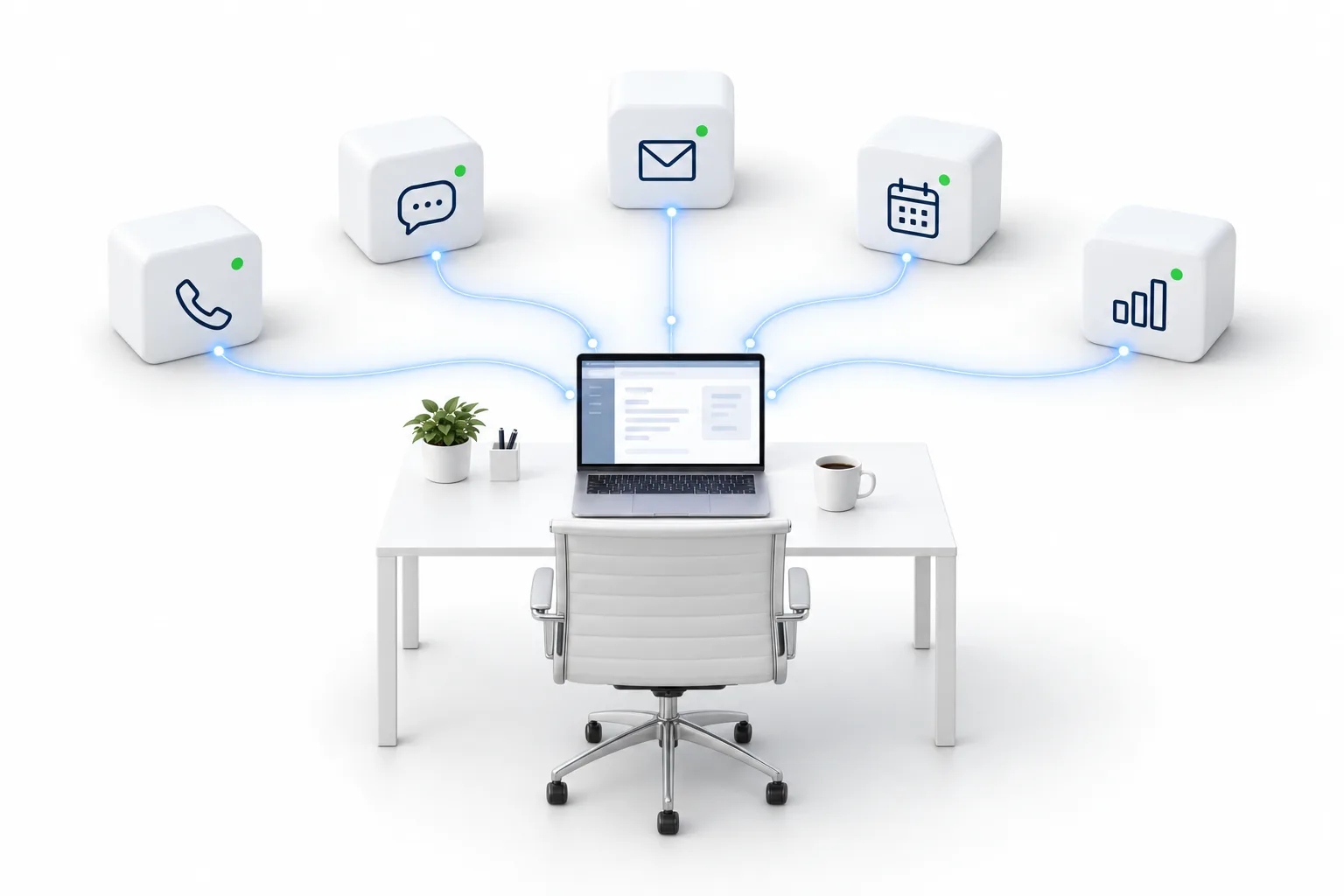
A solo Founder is a person who starts and runs a company without a co Founder. They own all the decisions and all the equity, and they carry all the risk. AI now lets one person run answering, follow up, content and reporting that used to need staff, so a solo Founder can grow further before the first hire.
Trade offs
Advantages
Risks
With AI

Going solo is not the same as going alone. Build the systems, and find a room of other Founders to think with.
Fit
Some businesses are easier to run alone than others. The ones that suit a solo Founder tend to share these features.
Service businesses built on a platform fit well. An AI receptionist service, for example, is built once, adjusted for each client and billed monthly. Businesses that need many hands at once, such as large events or construction crews, are harder to run alone. The AI business ideas page lists options that match.
The risks, handled
Each risk in the table above has a practical answer. None of them requires a partner.
The last point deserves attention early. A solo business with nothing written down stops when its Founder does. A short document for each system, kept up to date, is cheap protection. It also makes a first hire far easier when the time comes.
Growing
Going solo is a starting point, not a vow. The signs that it is time to add people are fairly consistent.
When that happens, systemize the job before you hire for it. A person who inherits a clear process does well from the first week. A person who inherits a mess needs you to manage them, which costs the time you were trying to save. The page on what a Founder does all day shows how the week changes as the company grows. On GoHighLevel, HighLevel for Founders explains which plan fits a company of one, and how Founders use AI agents covers the first jobs to hand over.
The tools matter more when there is nobody to hand work to. The AI stack for a one person company lists the five layers, and the best CRM for a Founder working alone explains what the platform should do. The Founder hub covers the role itself.
To see how much one account can handle, start the GoHighLevel 30 day trial through Michael's link. GoHighLevel plans compared shows the plan options, and the Founder Plan FAQ explains the top plan.
Questions
A solo Founder is a person who starts and runs a company without a co Founder. They own every decision and all the equity, and they carry all the risk. With AI agents and automation handling answering, follow up and reporting, one person can now run systems that used to need a small team.
Yes. AI and automation let one person run systems that once needed a team: answering calls and messages, following up, booking and reporting. The company is real when it has customers, offers and systems that work without you in every step. Service and AI businesses suit this model well.
Everything depends on one person, which raises the risk of burnout and blind spots. If you are ill or away, the work can stop. Reduce the risk with systems that keep answering and following up, written processes, an advisor or community for a second opinion and a contractor who can step in.
Not quite. A freelancer sells their own time. A solo Founder builds a company with systems and offers that can run and grow beyond their own hours. The test is whether the business could keep serving customers for a week without you.
Some do and some prefer teams. Many solo Founders in service and AI businesses do not seek investors at all and grow from customer revenue. Growing from customer revenue is slower at first, but it means you keep full ownership and answer only to customers.
By building systems that keep answering and following up, documenting how things work and telling clients in advance when and how they can reach help. Start with a short break to find the gaps in the setup before you take a longer one.
A solopreneur is a person who runs a business alone, without partners or employees. The word overlaps with a Founder who works alone. The difference people usually draw is intent: a solopreneur often plans to stay a company of one, while a Founder builds systems and offers meant to grow beyond their own hours.
Next step
Start a trial, build the first system and test it before the first invoice. Usage fees for phone, SMS, email and AI can apply during the trial.
HighLevel has three plans at a flat monthly price, each with unlimited users and contacts. See what each one includes and what it costs.
Compare the PlansStarter, Unlimited and Founder